GitHub Copilot Just Killed Flat Pricing — Here’s What $3,000/Month Bills Mean for the Rest of Us
Ever looked at an AI bill projection and thought, “Wait… did I just accidentally lease a small yacht?”
Because that’s basically what happened the moment GitHub Copilot switched from flat subscriptions to token-based GitHub AI Credits on June 1, 2026. And yeah—screenshots flying around social media showing “$29/month → $750 projected” and “$50/month → $3,000 projected” are the kind of thing that makes people hit Cancel Subscription on pure instinct.
Here’s the thing… Copilot didn’t “raise prices.” It changed the game.
GitHub didn’t just bump Copilot from $10 to $15 and call it a day. They rewired the pricing model.

- Everything moved to GitHub AI Credits, where 1 credit = $0.01. [1]
- Copilot Pro is still $10/month… but now that’s literally $10 in credits. [1][2]
- Copilot Pro+ is $39/month… and yes, it’s $39 in credits. [1][2]
- Unused credits don’t roll over. They expire at month-end. [1]
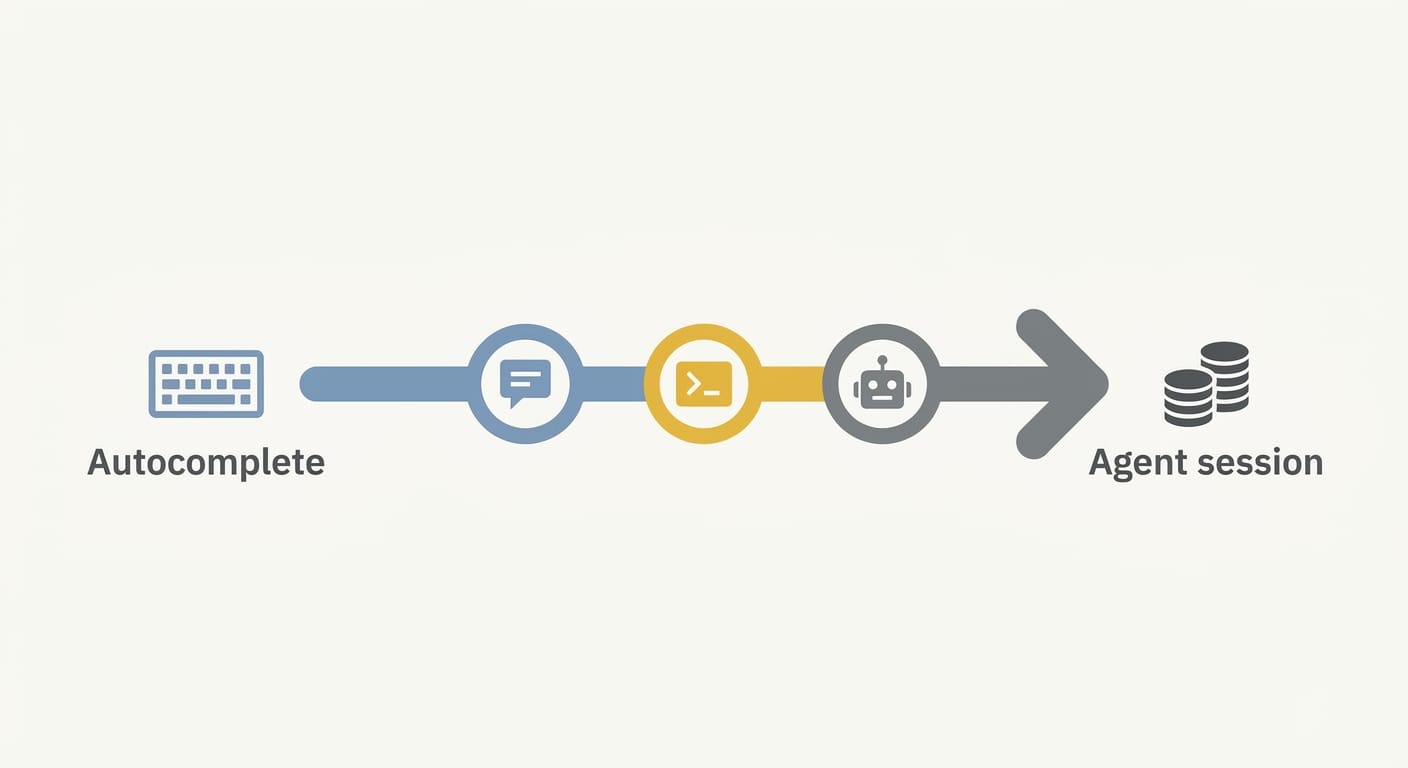
- Autocomplete stays unlimited (code completions + Next Edit Suggestions). [1][4]
- But chat, CLI, agents, Spaces, and third-party agents draw from your credits. [1][4]
If you’re a non-dev reading this thinking, “Cool Marty, but why should I care?” — because this is the clearest sign yet that AI pricing is turning into the same metered model as AWS: you’re not paying for access… you’re paying for consumption.
Why the bills blew up: agentic coding eats compute for breakfast
GitHub’s reasoning is pretty straightforward: Copilot isn’t just autocomplete anymore. It’s becoming an agentic product—meaning it can read files, write changes, run commands, chain steps, and keep going like a little tireless intern who never asks for weekends off.
Problem is, that “intern” runs on a lot of GPU time.
GitHub has said the shift is about sustainability now that people are using higher-compute workflows. The old “all-you-can-eat” model didn’t match reality anymore. [2][4]
And those agent sessions? Depending on model choice and complexity, they can land in the $5–$15 per session range (i.e., 500–1500 credits). Do a few of those in a day and… yeah… the math gets spicy fast.
Stats spotlight: why flat-rate at scale was always shaky
Here’s what most people miss: Copilot is huge. GitHub has 4.7M paid subscribers and claims 90% adoption in the Fortune 100.
So even if only a small chunk of users start “agent looping” all day, the backend compute bill becomes a monster. This is the same kind of dynamic that’s been hitting AI platforms all year—Microsoft even had service disruptions earlier in 2026 that were partially blamed on high-volume usage patterns. The shift to metering was basically foreshadowed.
Common mistakes that turn “$10/month” into “why is my card smoking?”
Look, I’ll be honest… a lot of the horror stories aren’t because Copilot is evil. They’re because people use agentic tools like a slot machine:
- “Vibe coding” with endless retries — prompt, regenerate, tweak, regenerate, tweak, regenerate…
- Not scoping the task — asking for “refactor the whole repo” instead of “refactor this one function.”
- Letting agents roam — letting it read tons of files and run lots of steps without guardrails.
- Using the biggest model by default — like using a freight train to deliver a sandwich.
Defenders of the new pricing are basically saying: disciplined prompters will be fine; chaotic prompting creates the crazy projections. And honestly? That’s not an insane take.
The bottom line is…
If your workflow is mostly autocomplete, this change might barely touch you. If your workflow is mostly agent sessions, you’re now living in a metered world—and you need to manage it like any other variable cost.
What $3,000/month bills mean for the rest of us (non-dev edition)
This isn’t just a “developer drama” story. This is the pricing future for AI tools across marketing, content, ops, and customer support.
Think about it like this:
- Autocomplete is like unlimited texts.
- Agent mode is like international roaming + streaming video + hotspot… all at once.
So if you’re using AI for anything beyond quick snippets—like multi-step research, content production pipelines, data cleanup, or building automations—token economics is now table stakes. Not “nice to know.” Table stakes.
Quick wins: how to keep metered AI from wrecking your budget
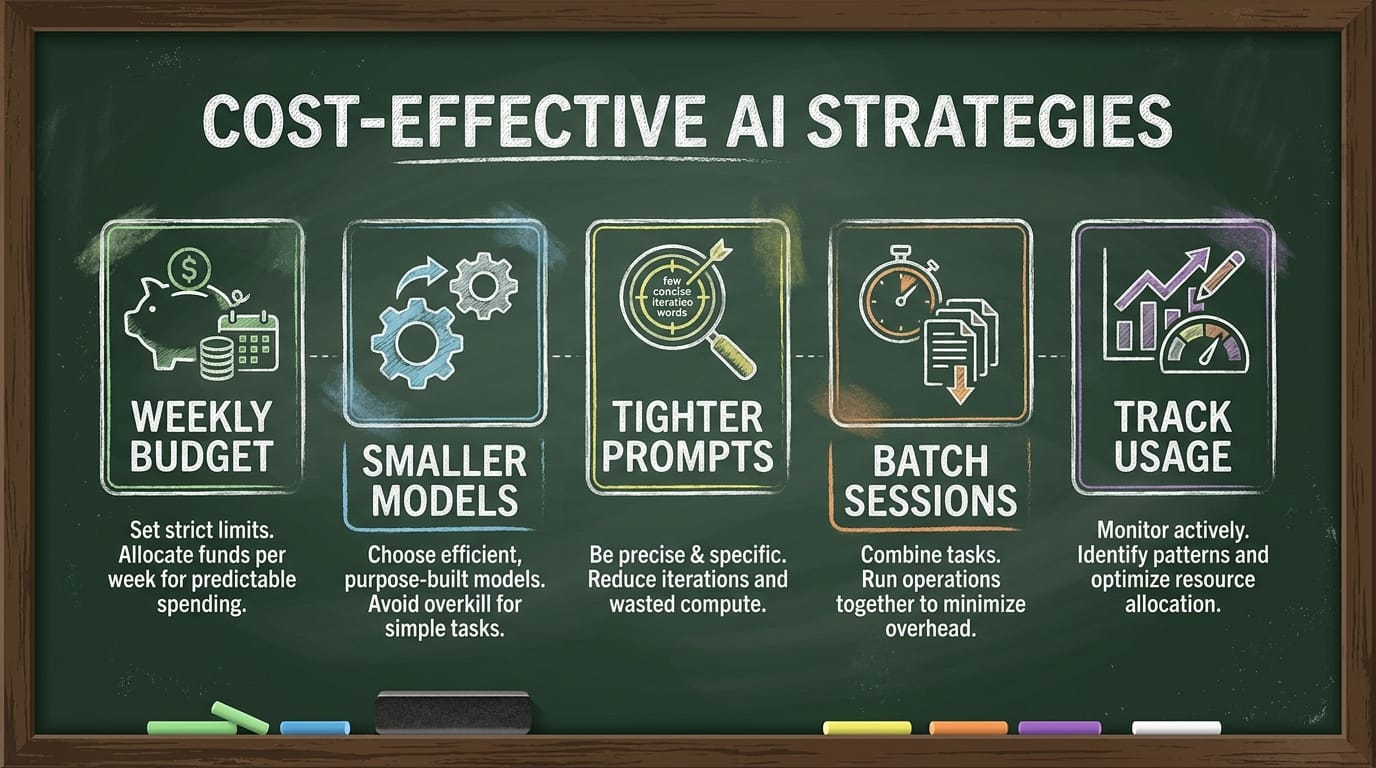
Here are 5 practical moves I’d make if I were paying for Copilot (or any agentic AI) on a credit meter:
- Set a weekly credit budget (not monthly). Catch problems earlier.
- Default to smaller models for 80% of tasks; “upgrade” only when stuck.
- Write tighter prompts: define scope, define output, define stopping conditions.
- Batch your agent work: fewer, larger, well-planned sessions instead of constant poking.
- Instrument usage: track which workflows burn credits and either fix or kill them.
Tool recommendations: what people are testing instead
Whenever a big player meters pricing, the market does what it always does: it creates openings. Alternatives are already getting a boost:
- Cursor (reportedly crossed $1B ARR in under 2 years) — a lot of folks like the “AI-first IDE” feel.
- Claude Code — popular for higher-level reasoning and code help.
- DeepSeek V4 — a cost-focused option people are watching closely.
- Local models via Ollama or LM Studio — not always as strong, but you control the meter because it’s your hardware.
Do you need to switch today? Not necessarily. But you do need to stop assuming AI will stay “Netflix-priced.”
FAQ
Is Copilot still $10/month?
Yes, but it now buys $10 worth of AI Credits (1 credit = $0.01). [1][2]
Does anything remain unlimited?
Yes—code completions and Next Edit Suggestions are still unlimited. Most other features are metered. [1][4]
Do unused credits roll over?
No. Credits expire at the end of the month. [1]
Why did GitHub do this?
GitHub says agentic workflows require much more compute, and flat-rate pricing wasn’t sustainable at scale. [2][4]
Thought-provoking question to end on
If your AI tools are about to look more like cloud billing than SaaS subscriptions… what’s your plan for keeping “experimentation” from turning into a blank check?
Sources
- GitHub Docs — GitHub AI Credits and Copilot plan changes (credits, rollover, what’s metered). https://docs.github.com/ (see GitHub AI Credits / Copilot billing documentation)
- GitHub Blog/Announcements — Rationale for shifting Copilot to usage-based pricing due to agentic compute. https://github.blog/
- GitHub Copilot product pages — Pro and Pro+ pricing aligned to credit amounts. https://github.com/features/copilot
- GitHub Docs — What stays unlimited (completions/NES) vs metered features (chat/agents/CLI/Spaces). https://docs.github.com/