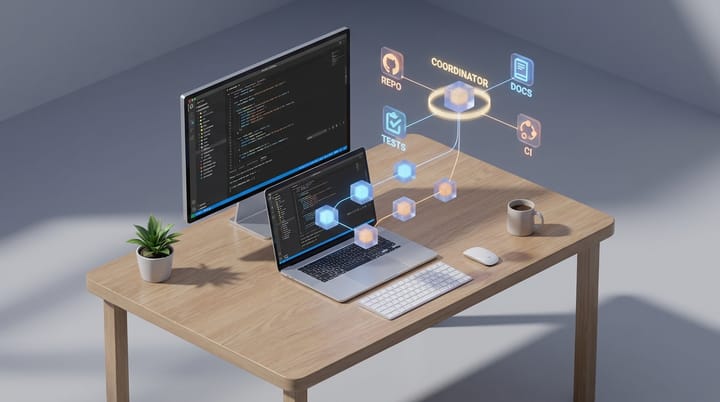
When to Use AI Coding Agents (So You Don’t Ship a Snowstorm) A practical, no-drama guide to using AI coding agents—when to use subagents, skills, and MCP, and how to avoid chaos when things get hectic.
Chatbots are cute. Personal AI assistants actually get stuff done. ChatGPT answers questions. A personal AI assistant like ClawdBot lives in your messages, remembers context, and can run tasks on your computer—turning AI from a passive tool into a proactive agent (with real privacy tradeoffs).
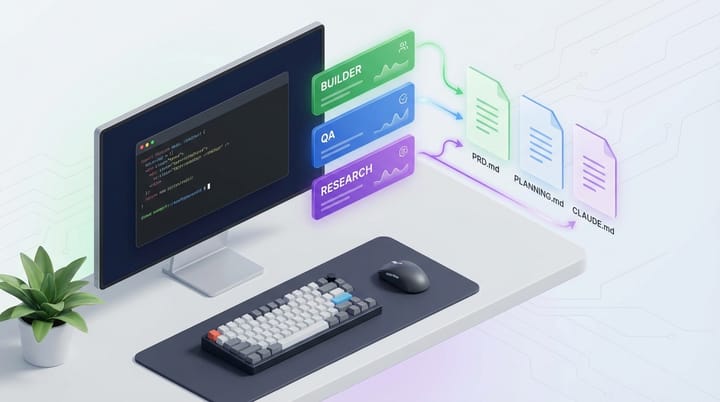
Agentic Workflows in Claude Code: Your New “Tiny Dev Team” Agentic workflows in Claude Code turn one developer into a small, specialized team—using subagents, shared rules files, planning docs, slash commands, and verification loops so you ship real code, not vibes.
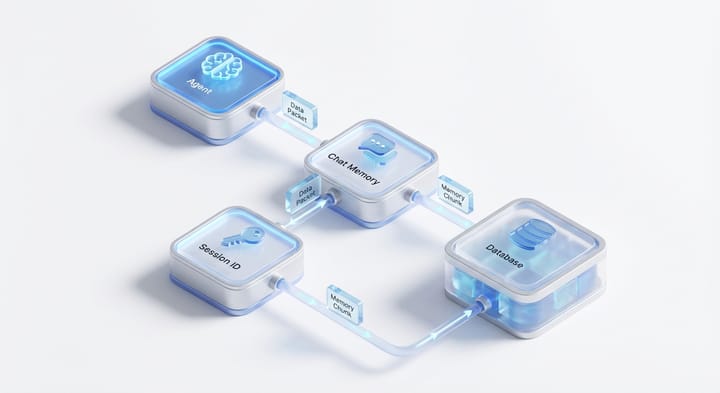
n8n AI Agent Memory: Short-Term, Long-Term, and No More Goldfish Bots n8n AI Agents don’t “remember” by magic—memory is a configurable system using short-term, long-term, session-based, and shared memory. Here’s how it works and how to avoid memory bleed in real workflows.
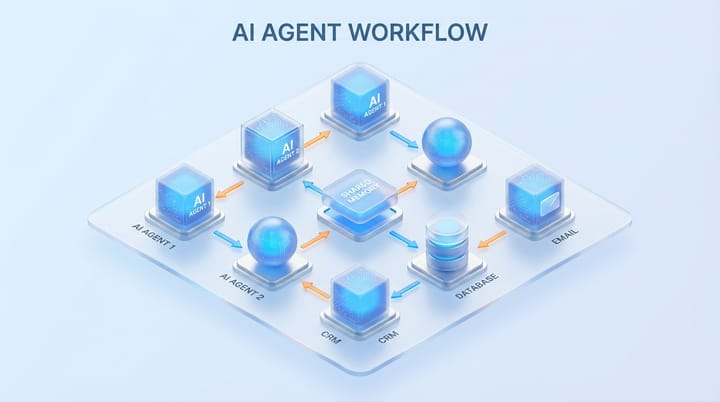
Stop Calling Extra Workflows: Run Multi-Agent AI Inside n8n You don’t need to call separate workflows to run multiple AI agents in n8n. Use sequential routing, parallel branches, or an orchestrator agent with shared memory to keep everything coherent, debuggable, and fast.
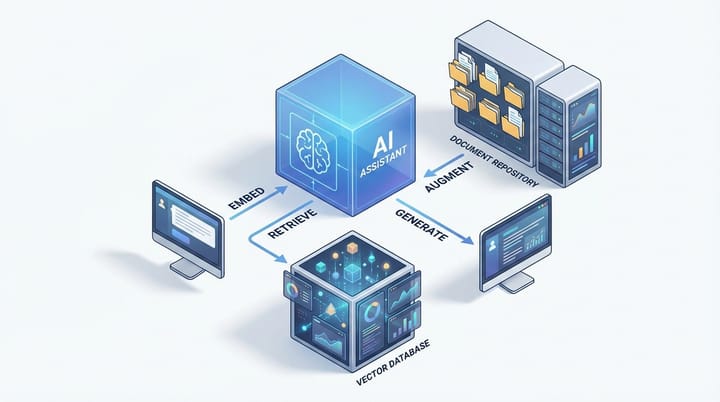
RAG Agents: The “Actually Useful” Way to Make AI Know Your Stuff RAG agents let an LLM “look things up” in your docs before answering—cutting hallucinations, staying up-to-date, and making AI actually useful for your business.
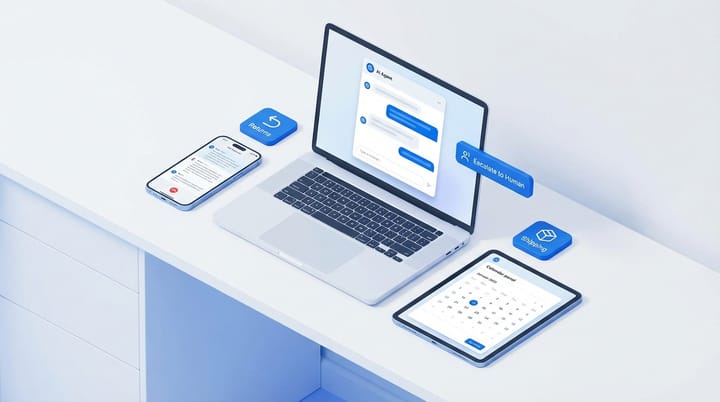
AI Agents for Customer Support: Your New (Tireless) Teammate Imagine this: it’s 9:47pm, you’re finally off the clock, and a customer emails “Where’s my order?” for the third time today. You either ignore it (bad), answer it (there goes your evening), or you let an AI agent handle it in seconds while you keep living