Subagents vs Agent Teams in Claude Code: Pick the Right Muscle for the Job
Claude Code subagents are your cheap, fast “runners” for isolated tasks. Agent teams are your coordinated “squad” for multi-part work like API+UI+tests and code review swarms—powerful, but more expensive.
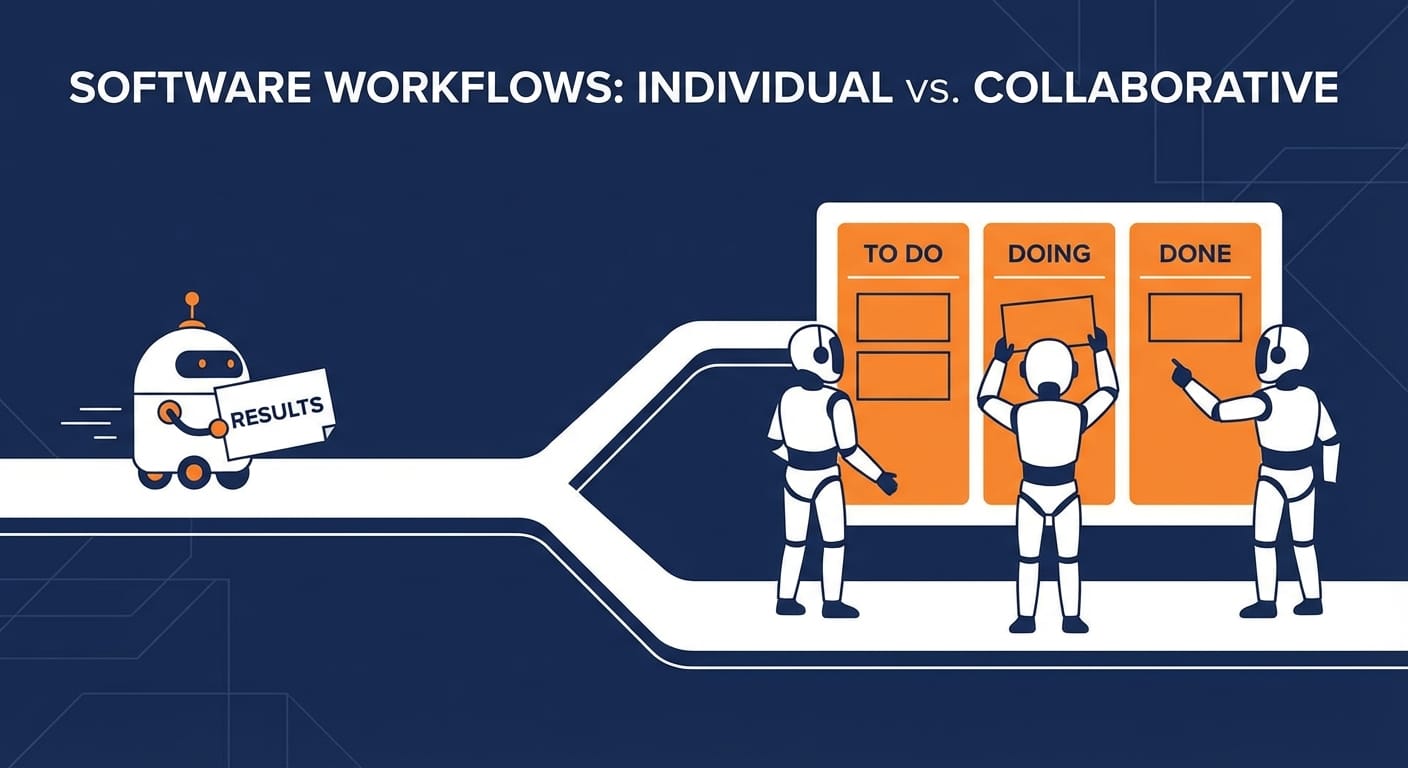
Ever hired a full project team… when all you needed was someone to grab coffee and print the docs?
That’s basically the mistake people make with Claude Code agent teams when a simple subagent would’ve crushed the task for cheaper and faster. So let’s fix that.
Caption: Subagent vs team is really “runner” vs “squad.”
Here’s the thing… you’re choosing a coordination model, not a feature

Claude Code gives you two different ways to parallelize work:
- Subagents: “fire-and-forget” workers. You send them off with a narrow task, they do their thing in their own context window, and report results back to the main agent. They don’t talk to each other. That keeps overhead and token costs down. [1][2][4][5]
- Agent teams: multiple fully independent Claude instances that message each other directly, coordinate via shared task lists, and resolve dependencies as they go. This is closer to having a real dev team in parallel. It’s also more expensive token-wise (often up to ~4x vs a single thread). [1][2][3][5][6]
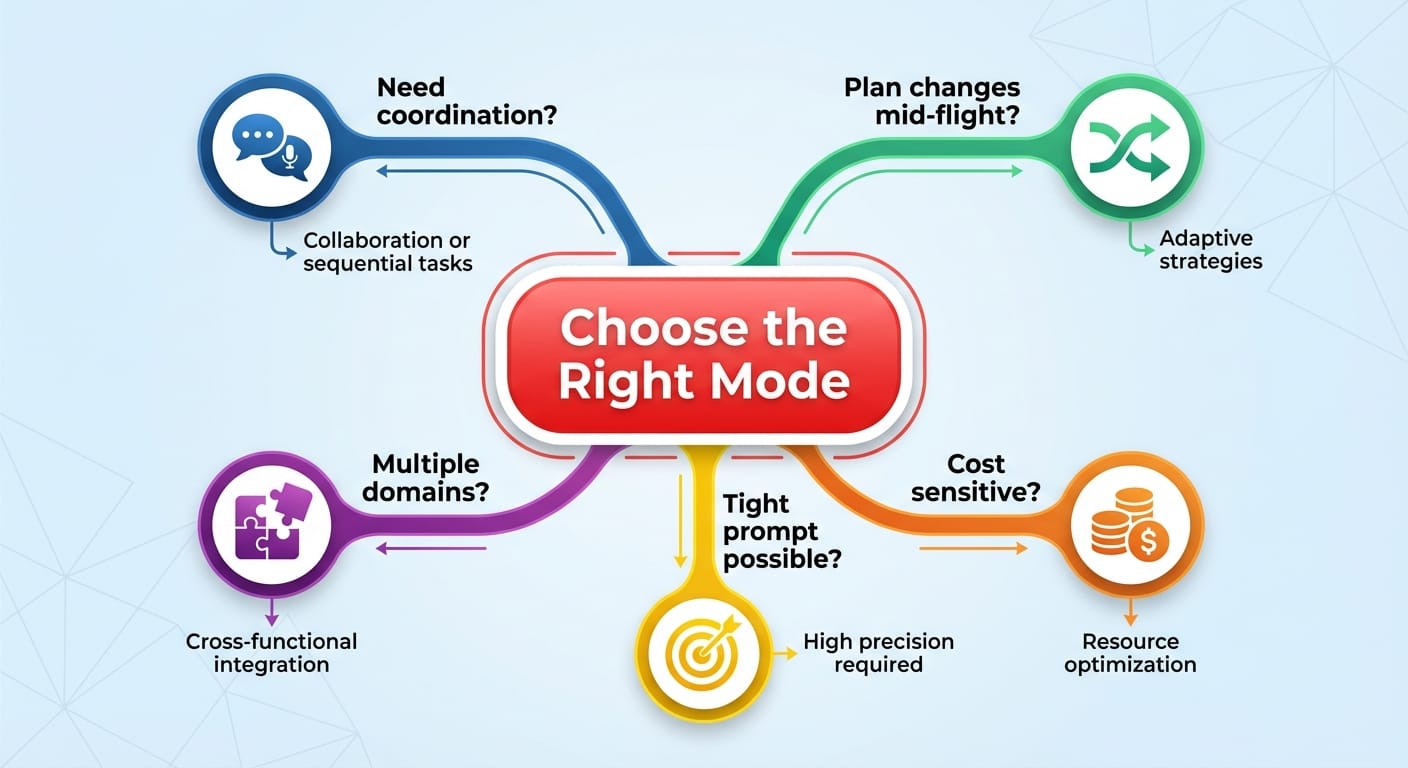
So the decision isn’t “which is cooler?” It’s: do you need coordination, or just parallel execution?
A quick comparison (the stuff you actually care about)
Use subagents when you want speed without meetings
Look, I’ll be honest… most of the time you don’t need a “team.” You need a couple of crisp answers, fast.
Subagents shine when tasks are independent and you only care about the output, not a back-and-forth discussion. They’re explicitly positioned as great for research, data retrieval, or single-file operations. [1][2][3][4]
Great subagent use cases
- Research bursts: “Find the best approach for OAuth device flow in this stack” and return a summary + links. [1][3][4]
- Repo scavenger hunts: “Search for where we validate JWTs” or “Locate the config that sets request timeout.” [1][4][5]
- Single-file edits: small refactors, doc updates, or adding a helper function when the change is contained. [1][5]
- Data extraction: read logs, pull out error patterns, summarize incidents. [3][5]
Here’s what most people miss… subagents are cheaper partly because they return summaries, not entire multi-agent conversations. That’s fantastic when you’re trying to keep costs sane. [1][2][3][6]
Use agent teams when the work has real dependencies
Agent teams are for the moments when coordination is the work.
Think: building a feature where API decisions affect UI, UI reveals missing fields, tests require fixtures, and you need code review-ish feedback while you’re still shaping the solution. Agent teams are built to run like a small organization: independent windows, direct messaging, shared task lists, and self-claiming work. [1][2][3][5]
Great agent team use cases
- Shipping a full feature: one agent handles backend/API, another handles frontend/UI, a third writes tests and CI tweaks. [1][2][3][5]
- Code review swarm: multiple agents review different areas (security, performance, style, edge cases) and discuss findings. [1][2][5]
- Large refactors: breaking a change into modules where decisions and naming need agreement. [1][3]
- QA / debugging war room: one agent reproduces, one bisects, one inspects logs, and they share hypotheses in real time. [3][5]
How I decide (a simple 5-question checklist)
If you’re stuck, run this quick gut-check. It’s not fancy, but it works:
- Does anyone need to talk to anyone? If yes, agent team. If no, subagent. [1][2][4][5]
- Will tasks change based on discoveries? If the plan will evolve mid-flight, agent team helps. [1][2][3]
- Is there more than one “owner” domain? (API + UI + tests) That’s team territory. [1][2][3][5]
- Do I care about cost? If you’re doing lots of runs, subagents keep token burn down. [1][2][3][6]
- Can I write a tight prompt? If you can specify it cleanly, subagent. If it needs negotiation, team. [5]
Caption: If you answer “yes” to coordination, you probably want a team.
Pro Tips Box: how to get the best of both worlds
Pro tips (learned the hard way):
- Plan cheap, execute expensive. Draft the task plan in a single main session, then spawn teams only for execution. [1][3][4]
- Right-size subagent tasks. Too small and overhead dominates; too big and it loses focus. [5]
- Make interfaces explicit. For teams, use “contract-first” thinking: define the API/schema upfront to reduce back-and-forth. [1][3]
- Precision beats heroics. Teams can still waste cycles if tasks are tightly interdependent; clearer instructions reduce parallel thrash. [3]
Common mistakes (and how to avoid them)
- Mistake: spawning an agent team for “find me the function.”Fix: that’s subagent work. Keep it lean. [1][4]
- Mistake: using subagents for a feature build with dependencies.Fix: if the API shape affects the UI and tests, you want the team coordination model. [1][2][3][5]
- Mistake: ignoring token economics.Fix: agent teams are powerful but inherently more token-intensive because you’re running multiple full threads. Use them where coordination ROI is real. [1][2][3][6]
Caption: Agent teams feel like running a mini standup—worth it when it matters.
FAQ
Can subagents collaborate with each other?
No—subagents report back to the main agent and don’t do peer-to-peer communication. That’s a core distinction. [1][2][4]
Are agent teams always better because they’re “smarter” together?
Not always. They’re better at coordination, but they cost more and can be inefficient if the work is tightly coupled or poorly scoped. [1][2][3][6]

What’s the fastest path if I’m unsure?
Start with a subagent to clarify requirements or gather repo facts. If the task turns into a multi-part build with dependencies, escalate to a team. [1][3][5]
Summary bullets
- Subagents are best for quick, isolated tasks where results matter more than discussion. [1][2][4][5]
- Agent teams are best for complex projects with real dependencies and coordination needs. [1][2][3][5]
- Token cost is usually lower with subagents and higher with teams—use teams when coordination pays for itself. [1][2][3][6]
- When in doubt: plan in one thread, then spawn the right workers to execute. [1][3][4]
Sources
- [1] Anthropic/Claude Code documentation and feature notes on subagents vs agent teams (communication and coordination model).
- [2] Claude Code guides describing shared task lists, self-claiming mechanisms, and context separation.
- [3] Claude Code updates (early 2026) highlighting agent teams’ collaboration patterns, cost tradeoffs, and limitations.
- [4] Claude Code subagent usage guidance emphasizing research/retrieval and isolated execution.
- [5] Notes on context windows, “fire-and-forget” behavior, and task sizing guidance.
- [6] Cost comparisons discussing multi-agent token/session overhead (often up to ~4x).