Will Claude Code Replace n8n? Nah—But It Might Change How You Use It
Claude Code feels like it could replace workflow tools—but n8n isn’t a code editor. It’s orchestration. The smart move in 2026 is using Claude Code for custom logic and n8n to connect, run, and scale the workflows.
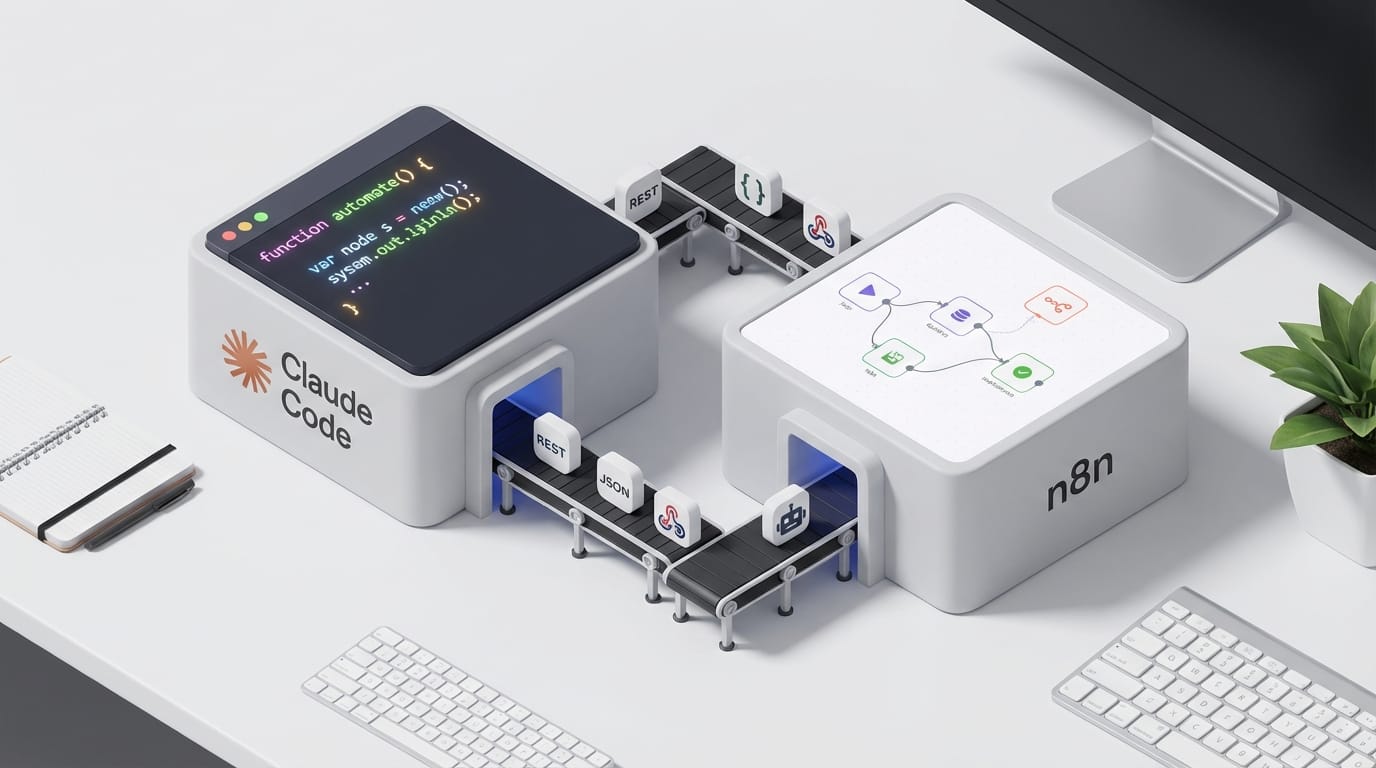
Common myth: “Claude Code is so good at writing automations that tools like n8n are basically done.”
Here’s the thing… that’s like saying a nail gun replaces the need for a blueprint. Sure, the nail gun is faster than a hammer. But it doesn’t tell you what to build, how the rooms connect, or where the plumbing goes.
Claude Code and n8n don’t actually compete head-to-head. They solve different problems—and in 2026 the real trend is teams using them together, not picking one as a “winner.”
Claude Code vs n8n: what each tool is really for
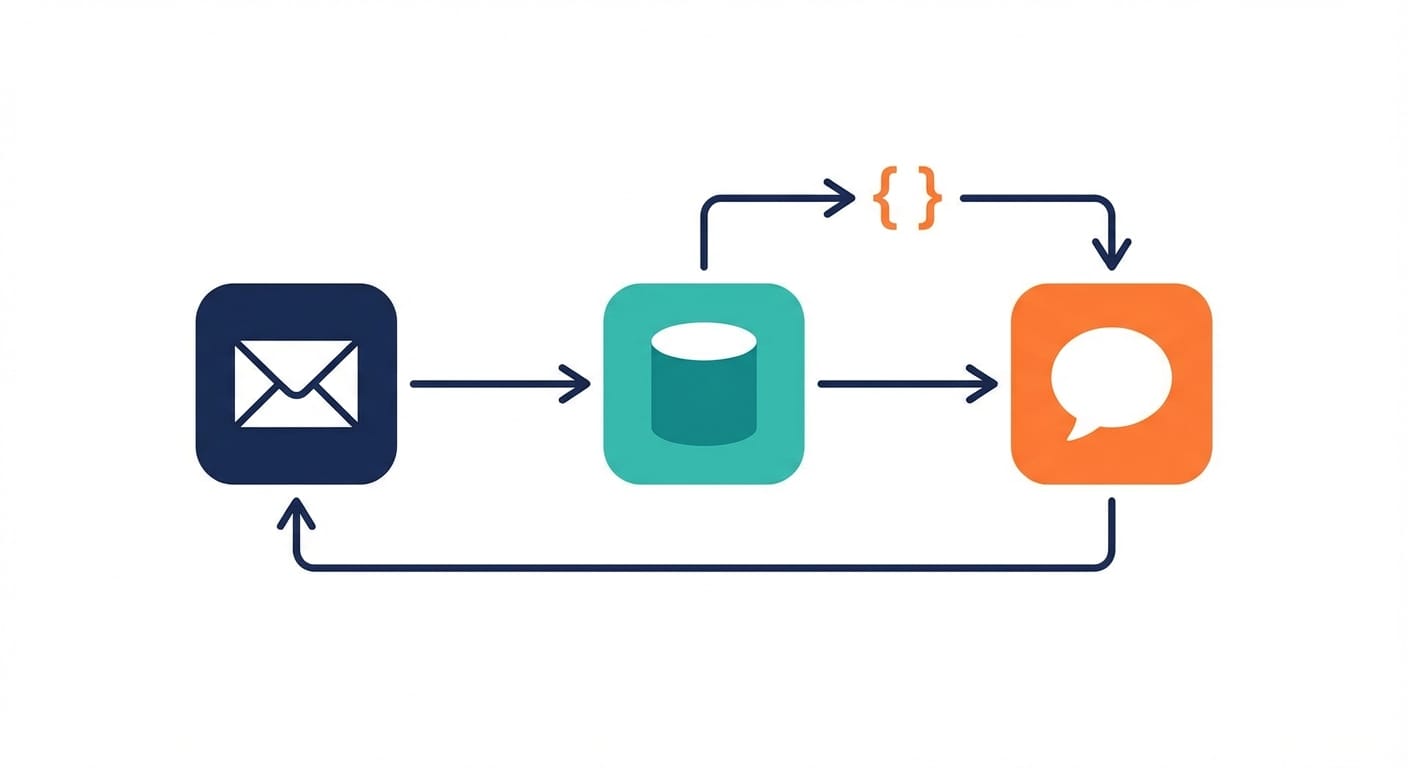
Look, I’ll be honest… people keep asking this question because AI coding tools feel magical. And sometimes they are. But magical doesn’t mean “replacement.”
n8n is a workflow orchestrator
n8n shines when you need to connect systems and move data around reliably. It’s basically a visual control room for automation: triggers, branching logic, retries, webhooks, schedules, queueing, and lots of integrations.
- 500+ integrations/connectors so you can wire SaaS tools together quickly
- Visual workflow builder for complex “if this then that… but also that” flows
- Self-hosting when you care about privacy/compliance and want control
- AI agent/LLM workflows (including LangChain-style patterns) for building agentic flows
Source: n8n product docs and feature overview https://n8n.io/
Claude Code is a code generator + dev accelerator
Claude Code is great when the problem is: “I need custom backend logic.” Like… you’re calling an internal service, shaping data in a special way, implementing weird auth, enforcing business rules, or building something there isn’t a ready-made connector for.
- Rapid prototyping of backend services and scripts
- Custom logic beyond what a workflow node can express cleanly
- Glue code for internal APIs, databases, message queues, and bespoke systems
Source: Anthropic Claude documentation and Claude Code product information https://docs.anthropic.com/
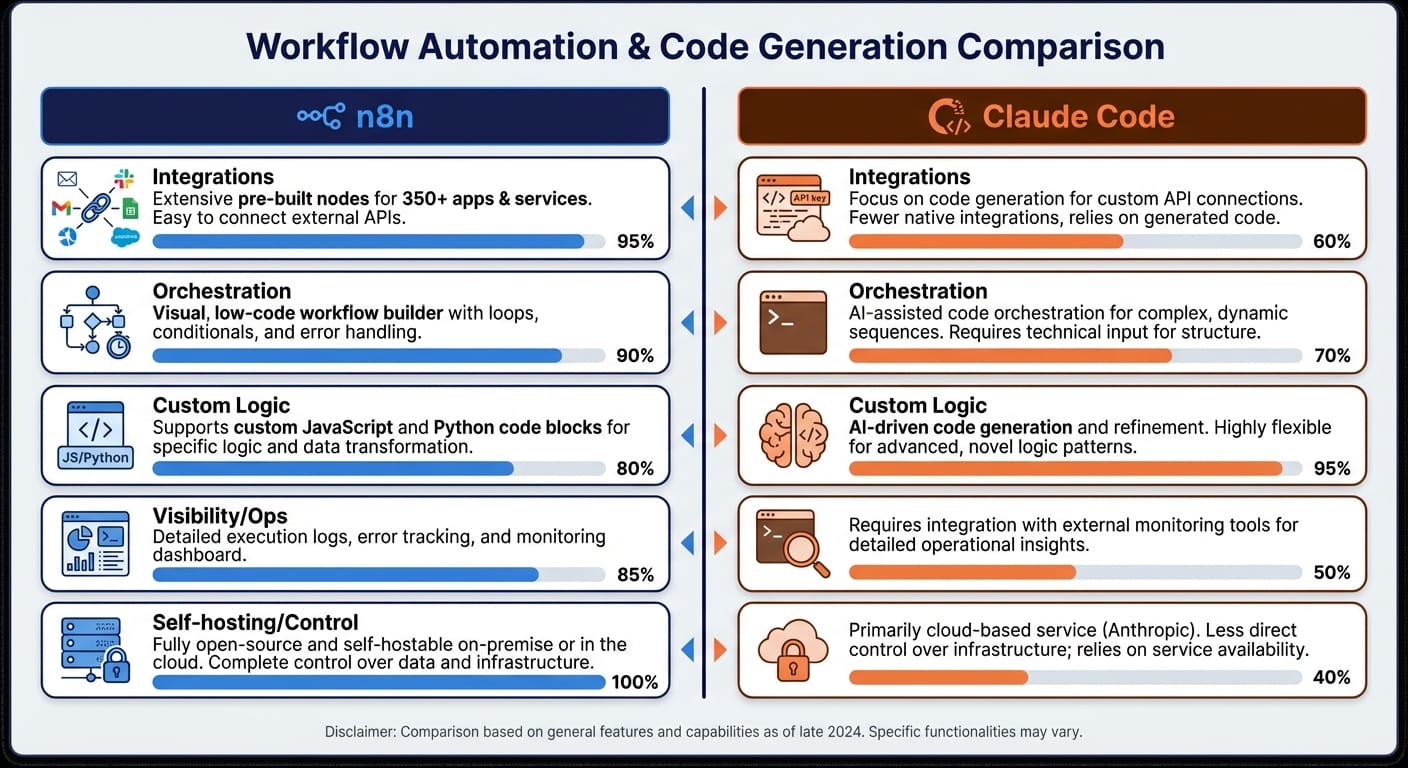
Comparison table: where each one wins (and why)
Source: n8n self-hosting and workflow automation positioning https://n8n.io/
Here’s what most people miss: the “together” pattern
The emerging pattern (especially in AI-heavy teams) is:
- Use Claude Code to generate or refine custom backend pieces (an API wrapper, a data normalizer, a small microservice).
- Deploy that code somewhere boring and stable (container, serverless function, internal service).
- Use n8n as the orchestration layer: triggers, routing, retries, alerting, connecting it to the rest of your stack.
That’s not theoretical. It’s how a lot of teams scale automation without turning their codebase into a ball of spaghetti. Developers get to build the “hard parts,” and n8n handles the “connective tissue.”
Source: Industry usage discussions and workflows combining AI coding + automation platforms (trend summary based on 2026 practitioner reports); n8n positioning as orchestration/integration tool https://n8n.io/
Case study snippet (realistic, slightly fictional)
Say you run a SaaS with a support inbox, Stripe billing, and a product database. You want: when a high-value customer complains, automatically enrich the ticket with billing history, product usage, and a recommended response draft.
- Claude Code writes a small service that computes “customer value score” and summarizes usage in your internal format.
- n8n triggers on a Zendesk/Help Scout event, calls the service, hits Stripe, updates the ticket, and posts a Slack alert—with retries and logging.
Could you do it all in code? Sure. But you’ll also be the person on-call for your own homemade workflow engine. Fun!
Common mistakes (don’t do this)
- Mistake #1: Using Claude Code as your workflow UI. Code is not a great dashboard for ops teams. When something breaks at 2 a.m., you want visibility, not a repo archaeology expedition.
- Mistake #2: Forcing n8n to do heavy custom computation. n8n can call code, but turning a workflow into a data-processing monster is like cooking a steak with a hairdryer.
- Mistake #3: Ignoring deployment and ownership. If Claude Code generates it, you own it. Put it somewhere testable, monitor it, version it.
Pro Tips Box
Practical way to decide:
- If it’s mostly connecting systems → start in n8n.
- If it’s mostly custom rules/logic → start with Claude Code.
- If it needs reliability, retries, audit trails → put n8n “in charge,” even if code does the heavy lifting.
- If you need privacy/control → self-host n8n and run your services in the same environment.
FAQ
Will Claude Code replace n8n eventually?
In my opinion? No. Claude Code can generate integrations, but n8n is a purpose-built orchestration layer with visibility, connectors, and operational features that code generators don’t magically provide.
Can n8n handle “AI agent” workflows without Claude Code?
Often yes—n8n supports agentic patterns and can integrate with LLM tooling. But when you need custom evaluation, memory stores, or proprietary APIs, you’ll likely add code somewhere.
Source: n8n AI and workflow automation positioning https://n8n.io/
What if I’m a solo builder?
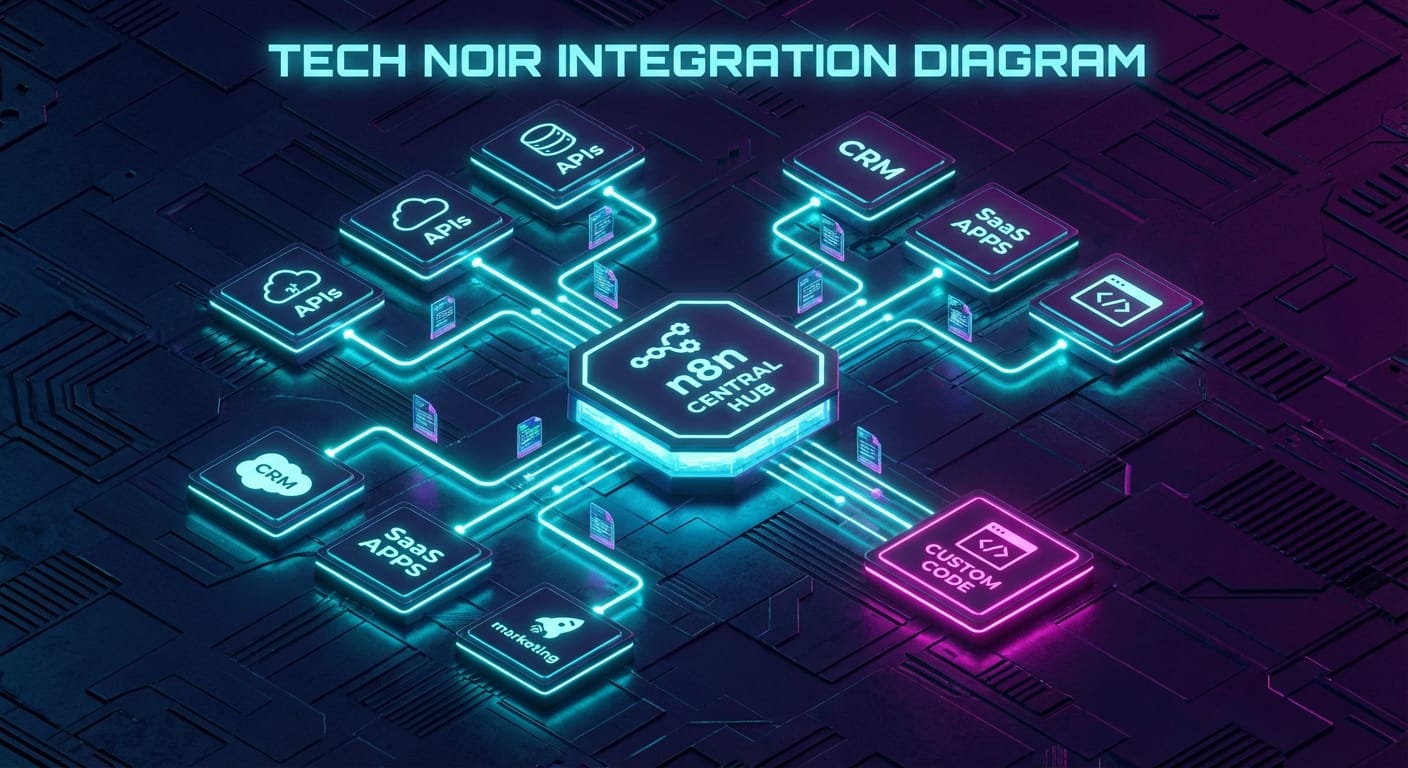
If you want speed and minimal ops, n8n gets you to “working” fast. When you hit something weird (you will), use Claude Code to build a small helper service rather than rewriting the whole automation.
What if my company is security-focused?
Self-hosting is a big n8n advantage for compliance and data residency. Pair it with internally deployed services generated with Claude Code, and you get control without giving up velocity.
Source: n8n self-hosting option https://n8n.io/
Summary bullets (what you should actually do)
- Claude Code won’t “replace” n8n because they’re built for different jobs.
- Use n8n for orchestration: integrations, retries, schedules, and visibility.
- Use Claude Code for custom logic: odd integrations, internal rules, complex transformations.
- The winning setup is hybrid: code modules + n8n workflows for scalable automation.
The bottom line is… if you’re trying to pick one tool to do everything, you’re signing up for pain. Let n8n be your automation spine, and let Claude Code generate the custom muscles when you need them.