AI Images in 2026: Who’s Getting Paid (and Who’s Just Posting Pretty Pictures)
In 2026, the money in AI images isn’t in “art”—it’s in productized, outcome-based visuals businesses already budget for. Here are 7 proven lanes, plus the practical playbook to land your first paying clients.
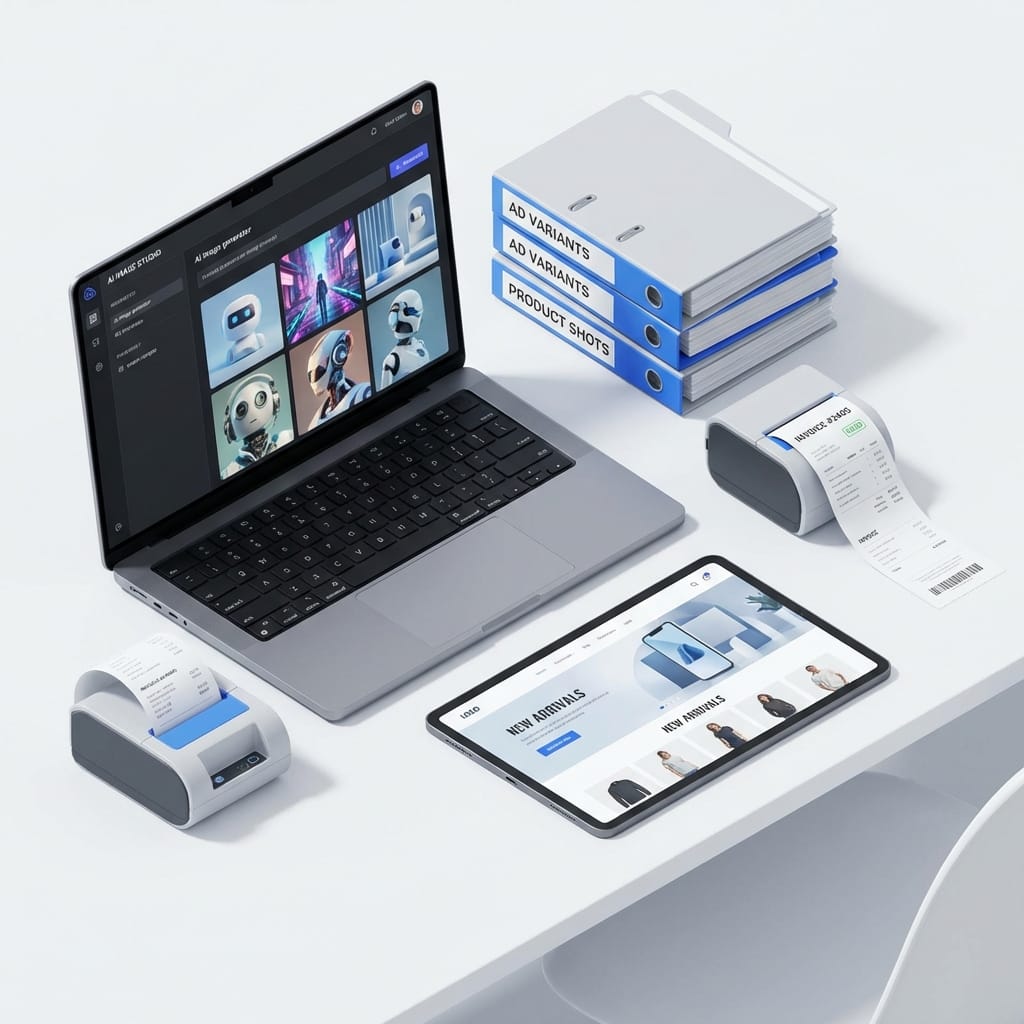
If you’re not making money with AI images in 2026, it’s probably because you’re trying to sell “art”… instead of solving a boring business problem.
I know, I know—nobody gets excited about “boring.” But boring is where the invoices live. The people cashing checks aren’t just generating cool anime portraits and hoping Etsy does the rest. They’re using AI images like a power tool: fast, repeatable, and aimed at something customers already pay for.
And yeah, I’m writing this while half the Northeast is getting slammed by snow/ice/rain and power outages—over 800,000 customers without power from this storm system, according to reports.[3] When real life gets chaotic, businesses still need marketing, training materials, product visuals, and updates. Guess what AI images are great for? Shipping visuals fast when everyone’s scrambling.

The real problem: “AI image” isn’t a business model
Here’s the trap: people treat Midjourney/Stable Diffusion/Firefly like a slot machine. Prompt, prompt, prompt… then what? Post it on X, get a few likes, and call it “building a brand.”
Likes don’t pay your heat bill. (Especially when the grid’s struggling and you’re on your third candle.)
The actual problem is that an image by itself is worth close to $0 unless it’s attached to:
- a distribution channel (someone who can put it in front of buyers),
- a business outcome (more clicks, more sales, fewer support tickets), or
- a repeatable system (a “productized” service, not a one-off hustle).

The solution is to pick a lane where images are part of a deliverable people already understand and budget for.
7 ways people are actually making money with AI images in 2026
I’m going to be opinionated: most of these aren’t “sexy.” That’s why they work. Let’s get into it.
- 1) Product listing image packages for e-commerce Think: Etsy, Shopify, Amazon sellers. They need consistent product visuals—lifestyle shots, seasonal variations, size charts, colorways, “in-use” scenes. AI helps you generate on-brand scenes fast, then you polish in Photoshop/Photopea and deliver a tidy package: 8–12 images per SKU. You’re not selling “AI art.” You’re selling “my listings convert better.”
- 2) Ad creative factories (UGC-style, but visual) Paid ads chew through creative like a woodchipper. Small brands can’t keep up. So people are selling monthly creative subscriptions: 30 image ads, 10 story frames, 5 thumbnails—whatever the platform needs. Here’s the secret sauce: you test variants (headline, background, composition), then keep the winners. Clients love this because it feels like “growth,” not “design.”
- 3) YouTube + podcast thumbnail systems Thumbnails are basically click magnets. Creators want a recognizable style, but they don’t want to hire a designer full-time. So freelancers are building thumbnail templates + AI-assisted image generation + a fast turnaround workflow. If you can deliver in 24 hours, you’ll beat 90% of the market.
- 4) Brand style kits for small businesses (the “starter pack”) Logo, color palette, typography, and a set of “brand world” images: hero banners, social headers, icon sets, background textures, product mockups. AI makes the imagery part scalable. The money comes from packaging it like a real deliverable with rules: “Use these 12 images like this, don’t do that.” Businesses will pay to avoid decision fatigue.
- 5) Training and internal comms visuals (yes, really) This one’s criminally underrated. Companies are constantly making slide decks: safety training, onboarding, compliance, IT help docs. They need simple visuals that match the scenario—without a photo shoot. Especially during emergencies, organizations want clear, fast communication. Pennsylvania literally issued a disaster emergency proclamation and implemented Tier 4 commercial vehicle restrictions during the January 2026 storm response.[1] That kind of situation creates a ton of “we need an explanatory graphic now” work.
- 6) Print-on-demand… but with a niche and a list Let me be blunt: generic POD is a treadmill. The folks making money have: a tight niche (like “trail builders in the Pacific Northwest” not “outdoors”),
- a real audience (email list, TikTok, YouTube), and
- design systems (consistent style, fast iteration).
- 7) Licensing custom image sets to newsletters, blogs, and course creators Course creators and newsletter operators need consistent visuals: section headers, diagrams, mini-illustrations, cover images. They don’t want to worry about rights, attribution, or “is this going to get me sued?” So people sell licensed packs (think: “50 cyber-security visuals” or “30 finance metaphors in flat style”), with clear usage terms and replacements if an image gets flagged.
Common mistakes (aka how people torch perfectly good opportunities)
- Selling the tool instead of the outcome. Clients don’t buy “Midjourney.” They buy “more conversions” or “a consistent brand look.”
- No rights/usage clarity. If you can’t explain licensing and source rules in one paragraph, you’re not ready for business buyers.
- One-off custom work forever. Custom is fine. Unsystemized custom is a trap. Productize it: fixed scope, fixed timeline, fixed price.
- Ignoring distribution. The best image in the world doesn’t matter if nobody with a budget sees it.
Pro Tips Box: the “get paid this month” playbook
Here’s what I’d do if I had to start from zero this week:
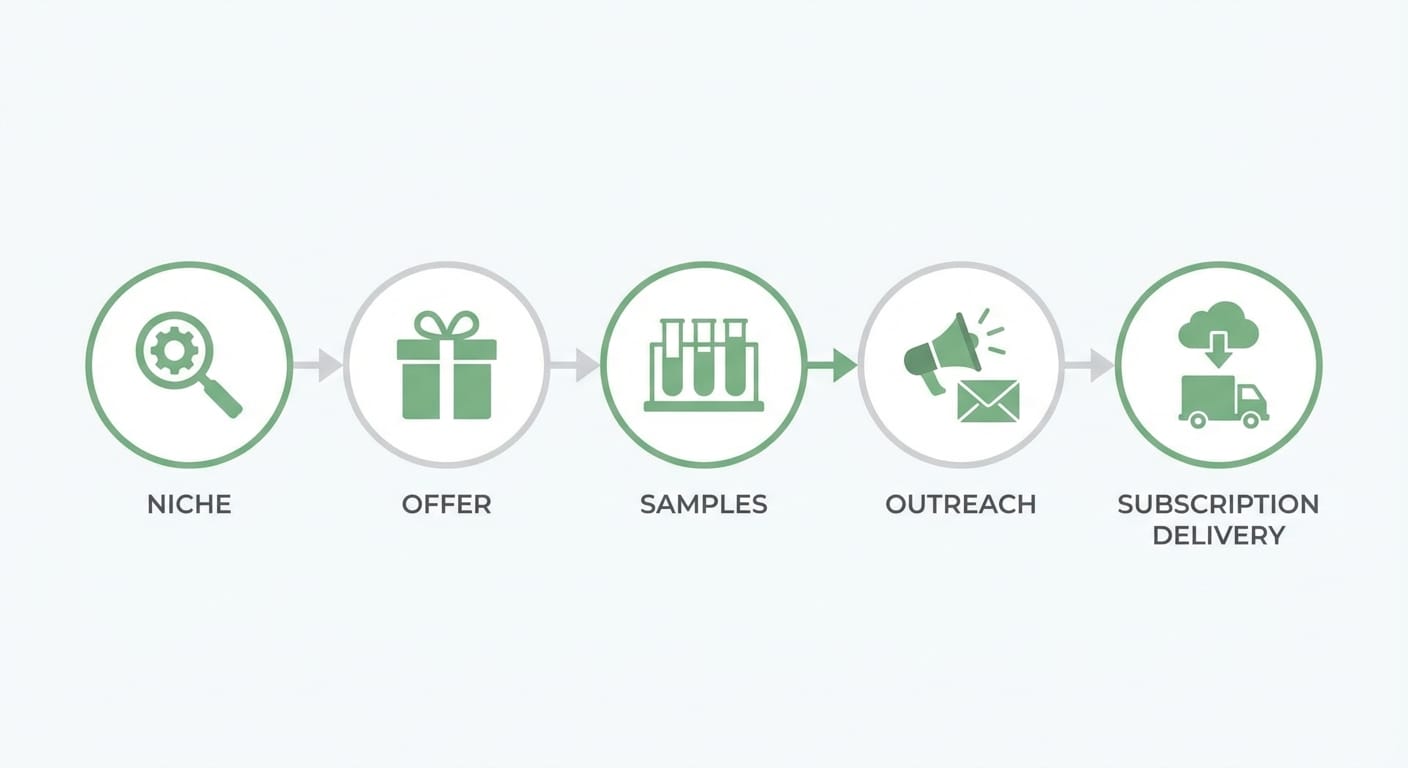
- Pick one buyer. Example: Shopify candle brands, local contractors, YouTubers in a niche.
- Pick one deliverable. Example: “10 product lifestyle images + 5 ad variants.”
- Make 3 sample packs. Not a portfolio salad—three tight examples in one style.
- Sell a subscription. Monthly beats one-off every day of the week.
- Use a simple contract. Spell out usage rights, revisions, and turnaround. Keep it boring.
FAQ
Do you need to be a “real artist” to make money?
Nope. You need taste, consistency, and the ability to deliver what the customer asked for. That’s closer to “designer/producer” than “gallery artist.”
What tools are people using in 2026?
The usual suspects: Midjourney-style generators, Stable Diffusion workflows, Adobe Firefly for commercial-safe pipelines, plus Photoshop for cleanup and templates. The tool matters less than your workflow and licensing clarity.
Is this market already saturated?
Generic AI images? Saturated. Outcome-based packages for specific niches? Wide open. Saturation is usually a positioning problem.
What about ethical/legal issues?
Take it seriously. Use tools and settings designed for commercial use, keep your inputs/outputs organized, and put licensing terms in writing. If a client asks “can we use this in ads?” your answer shouldn’t be a shrug.
Sources
- Pennsylvania emergency proclamation and Tier 4 commercial vehicle restrictions during January 2026 winter storm (Jan 23–25, 2026). [1]
- Delmarva storm impacts and emergency declaration in Delaware (Jan 25, 2026). [2]
- Reports of 800,000+ customers without power due to ice and snow (Jan 2026). [3]
Action challenge (do this today, not “someday”)
- Pick one niche you can reach in the next 48 hours.
- Build one productized offer with a fixed price and fixed deliverables.
- Create three samples in the same style (consistency sells).
- Send 20 targeted DMs/emails with a one-line pitch and one sample link.
If you do that, you’re not “playing with AI.” You’re running a business. Big difference, right?